Does My Home Need Rewiring? Warning Signs
Most homes never need a full rewire, but older ones often have wiring that deserves a closer look. Here are the warning signs Port St. Lucie homeowners should watch for, and what each one usually means.
Wiring does not last forever, and it does not always fail loudly. Sometimes the signs are subtle: a light that flickers, an outlet that feels warm, a breaker that keeps tripping. Knowing what those signs mean helps you tell the difference between a minor fix and something that needs attention now. Below are the most common red flags, especially in older Florida homes.
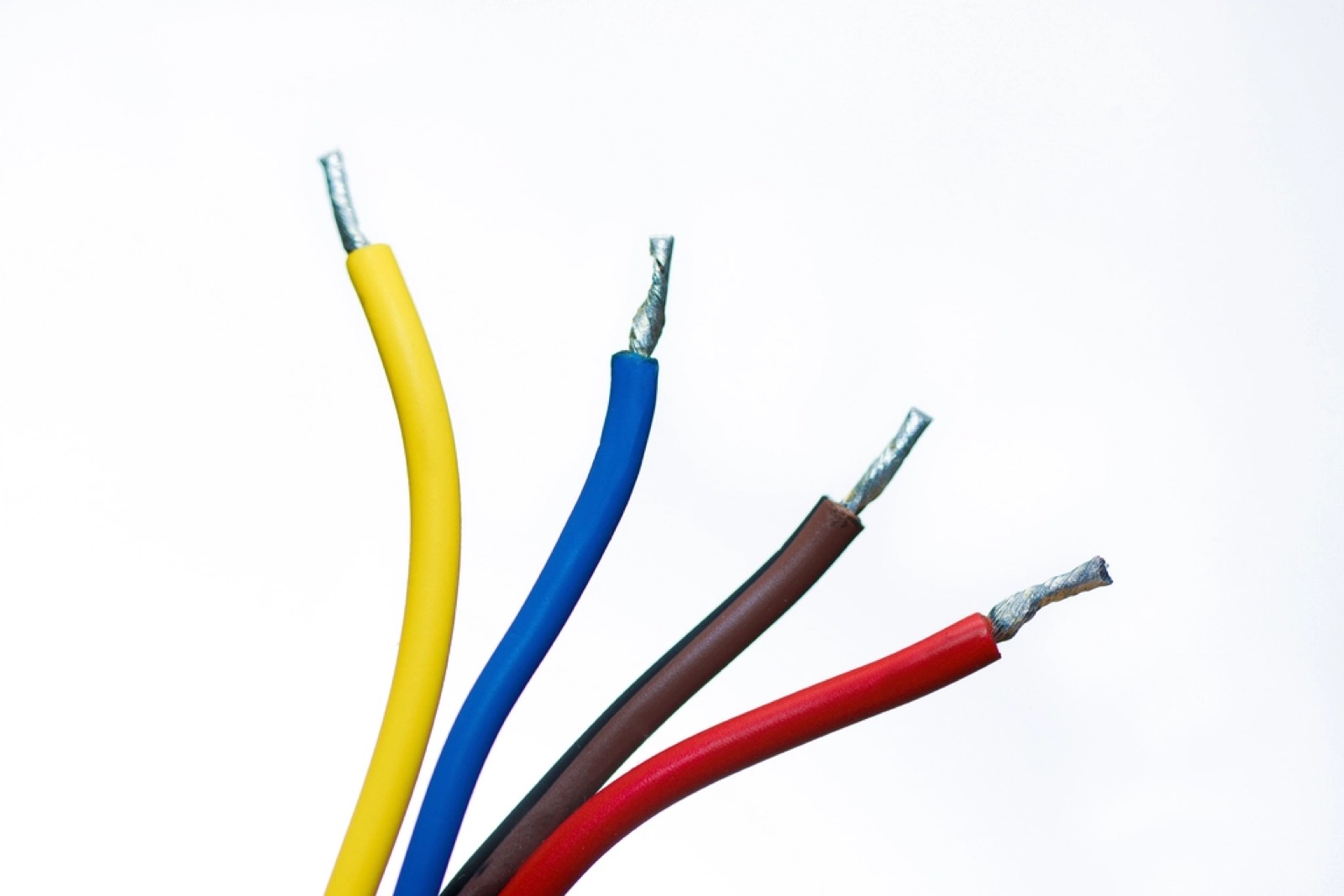
1. Aluminum wiring
Homes wired in the mid-1960s through the 1970s sometimes used aluminum branch wiring instead of copper. Aluminum expands and contracts more, which can loosen connections over time and create heat at outlets and switches. It is one of the most important things to identify in an older home. Aluminum wiring does not always need a full rewire, but it does need to be evaluated and properly corrected at the connections by a licensed electrician.
2. Flickering or dimming lights
Lights that flicker or dim, especially when a large appliance like the air conditioner or microwave starts, often point to loose connections, an overloaded circuit, or an undersized service. Occasional dimming when the AC kicks on can be normal, but persistent flickering is worth investigating. It can be a wiring issue or a sign your panel is struggling, which ties into whether a panel upgrade is in order.
3. Frequent breaker trips
A breaker's job is to trip when a circuit is overloaded or faulted, so a single trip is doing its job. But a breaker that trips repeatedly is telling you something is wrong: too much load on one circuit, a failing breaker, or a fault in the wiring. Resetting it over and over is not a fix. If you find yourself walking to the panel regularly, have it checked.
4. Two-prong (ungrounded) outlets
If your home still has two-prong outlets, it lacks a grounding path that modern electronics and appliances rely on for safety. Ungrounded outlets are common in older homes and are a frequent home-inspection flag. Depending on the wiring behind them, the fix can range from adding GFCI protection to running new grounded circuits.
5. Other signs worth noting
- Warm or discolored outlets and switches. Heat or scorch marks mean a connection is failing and should be checked right away.
- A burning or fishy smell. An acrid odor near outlets or the panel can indicate overheating insulation. Turn off the circuit and call an electrician.
- Buzzing sounds. Buzzing from a switch, outlet, or panel often signals a loose or arcing connection.
- Reliance on extension cords and power strips. If you need them everywhere, your home simply does not have enough circuits and outlets.
- A fuse box or very old panel. These often accompany wiring that is also due for evaluation.
Why older Florida homes are worth a look
Florida's heat and humidity, along with the salt air closer to the coast, are hard on electrical components over the decades. Connections corrode, insulation ages, and systems sized for a 1980s household get pushed by modern loads. None of this means your home is unsafe, but it does mean an older Port St. Lucie home benefits from an honest assessment rather than a guess. The same logic applies before adding big loads like an EV charger or a generator.
Full rewire or targeted repairs?
Here is the reassuring part: a full rewire is the exception, not the rule. Many homes only need targeted work, such as correcting aluminum connections, adding grounded circuits, or replacing a tired panel. A licensed electrician can inspect your system and tell you plainly what needs attention and what is fine as-is, so you spend money where it actually matters.
What a partial rewire actually involves
When targeted work is the right answer, it usually focuses on the circuits or connections that are causing trouble rather than tearing open every wall. For aluminum wiring, that often means installing approved connectors at each device to make the connections safe and stable. For ungrounded outlets, it can mean adding GFCI protection or pulling a proper ground to the circuits that need it most, like the kitchen and bathrooms. Problem circuits that overload or trip get evaluated and, where needed, split or upsized. A good electrician does this surgically, addressing the real risks while leaving sound wiring in place, so you are not paying to replace something that has years of safe life left.
How an electrician evaluates your wiring
An assessment is more than a glance at the panel. We look at the panel itself, including the brand, the breakers, and how circuits are loaded, then check a representative sample of outlets and switches for grounding, polarity, and signs of heat. We note the age and type of wiring where it is visible, in the attic, garage, or panel, and we listen to what you have experienced: which lights flicker, which breaker trips, where outlets feel warm. From there we can tell you plainly whether you are looking at a few targeted fixes, a panel upgrade, or a larger rewire, and roughly what each would involve. The goal is an honest picture, not a scare.
Not sure? Get it checked
If you have noticed any of the signs above, do not ignore them and do not panic. Request a free estimate and we will assess your wiring and panel, explain what we find in plain language, and quote any work upfront. To understand panel-related costs, see our panel upgrade cost guide.