Generator Installation in Port St. Lucie
On the Treasure Coast, an outage is a question of when, not if. A whole-home standby generator with an automatic transfer switch keeps your lights, air conditioning, and refrigerator running through hurricane season, without you touching a thing.
When a hurricane or summer storm knocks out the grid, a portable generator means dragging out cords and rationing power. A whole-home standby generator is different. It sits permanently beside your home, monitors the power, and starts automatically within seconds of an outage, then shuts down when utility power returns. You may not even notice the switch.
Why standby generators make sense here
Port St. Lucie sits in the heart of Florida's hurricane corridor. Outages can last hours or days, and in summer that means no air conditioning in oppressive heat, spoiled food in a warm refrigerator, and no power for medical equipment or a sump pump. For families who work from home, run a home business, or simply do not want to evacuate over a power cut, a standby generator turns a stressful outage into a non-event.
What a standby generator can power
How much of your home stays on during an outage comes down to the generator size and the transfer switch you choose. A whole-home setup can run essentially everything, including central air conditioning, which in a Florida summer is the difference between riding out a storm comfortably and sweltering. A more focused, managed system covers the essentials, the kitchen, key outlets, well or sump pumps, internet, and a few rooms of cooling, while load-management controls juggle the heaviest appliances so a mid-size generator can still cover a lot of ground. There is no single right answer; the best system is the one matched to how your household actually lives during an outage, which is exactly what we figure out together.
The automatic transfer switch
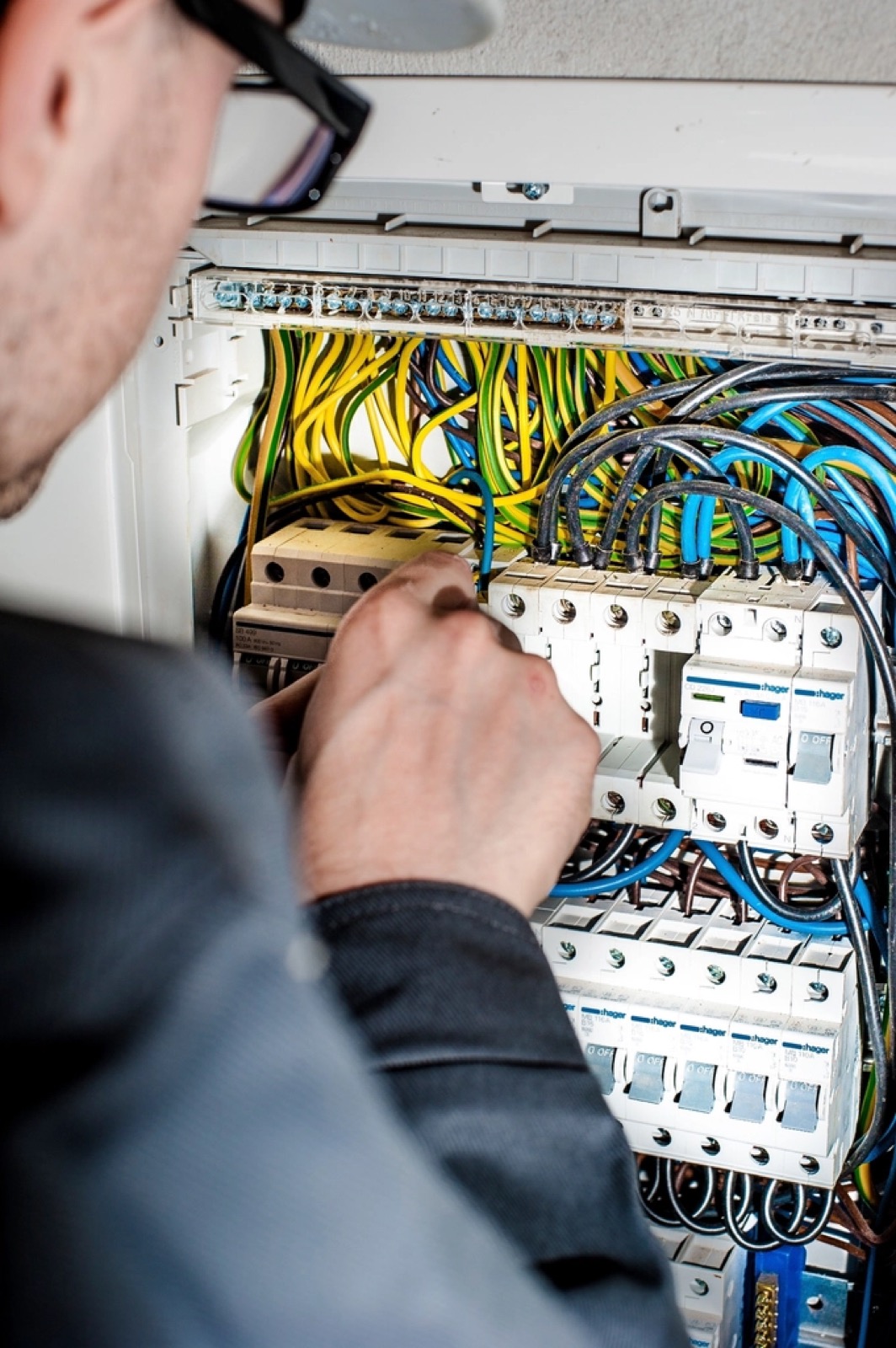
The transfer switch is the brain of the system. It constantly watches utility power, and the moment it drops, it disconnects your home from the grid and signals the generator to start. This automatic changeover is essential for safety: it prevents your generator from back-feeding power onto the grid, which can endanger utility crews. When the grid comes back, the switch reconnects you and powers the generator down. We size and install the transfer switch to match your home and the circuits you want covered.
Sizing the generator to your home
Bigger is not always better. We size your generator based on what you actually want to run during an outage. Some homeowners want everything, including central air; others prioritize essentials like the kitchen, a few rooms, and well or sump pumps. We perform a load assessment and recommend a unit that covers your priorities without paying for capacity you will not use. Because a standby generator and your electrical panel work together, this is a good moment to confirm your service is up to date, and if it is not, to pair the install with an electrical panel upgrade.
Fuel and placement
Most standby units in our area run on natural gas or propane, so they do not need refueling during an extended outage the way a portable does. We position the generator to meet code clearances from windows, doors, and the property line, and on a pad that stands up to Florida weather. We coordinate the gas connection and make sure the exhaust and clearances are correct.
Permitted, inspected, and maintained
Generator installation requires a permit and inspection in St. Lucie County, and the work touches both your electrical and fuel systems. We handle the permitting, complete the electrical connections and transfer switch to code, and schedule the inspection. We will also walk you through the unit's self-test schedule so it stays ready for the next storm.
Plan ahead of the season
The worst time to shop for a generator is right before a storm, when demand and lead times spike. Installing during the calmer months means you are ready well before the first watch is issued. If you are weatherproofing your home this year, it is also worth reviewing your wiring; our guide on whether your home needs rewiring can help. Want backup power you can count on? Request an estimate and we will size the right system for your home.
Standby versus portable generators
A portable generator is cheaper upfront, but it comes with real limitations. You have to be home to roll it out, start it, and run cords, you need to store fuel and refuel it every several hours, and it can only power a few items at a time. Running one improperly, or back-feeding it into your home without a transfer switch, is genuinely dangerous. A whole-home standby generator removes all of that: it is permanently installed, runs on your home's natural gas or a propane supply, starts itself, and powers the circuits you chose without any intervention. For families who want to ride out a multi-day outage in comfort, especially with the summer heat we get on the Treasure Coast, the standby system is the clear choice.
Keeping your generator ready
A standby generator is only useful if it starts when you need it. Modern units run a brief self-test on a schedule, exercising the engine so it stays ready. We set that up during installation and explain what the indicator lights mean, so you can tell at a glance that the system is healthy. Periodic maintenance, like checking the oil, battery, and connections, keeps it dependable season after season. We will walk you through a simple routine, and when it is time for the next storm, your generator does its job automatically. Households across Torino and the wider city rely on exactly this kind of hands-off backup.
Be ready before the next storm
Tell us what you want to keep running during an outage and a licensed Port St. Lucie electrician will recommend the right standby generator.
- Whole-home standby generators
- Automatic transfer switch
- Permit and inspection handled