EV Charger Installation in Port St. Lucie
Charge at home overnight instead of hunting for public stations. We install Level 2 chargers for Tesla and J1772 vehicles the right way: a proper load calculation, a dedicated circuit, and a permit so it is safe and code-compliant.
Electric vehicles are everywhere in Port St. Lucie now, and the single best upgrade for any EV owner is a Level 2 charger at home. A standard wall outlet (Level 1) adds only a few miles of range per hour. A Level 2 charger on a 240-volt circuit can add a full day's driving in a couple of hours, so you simply plug in at night and leave with a full battery.
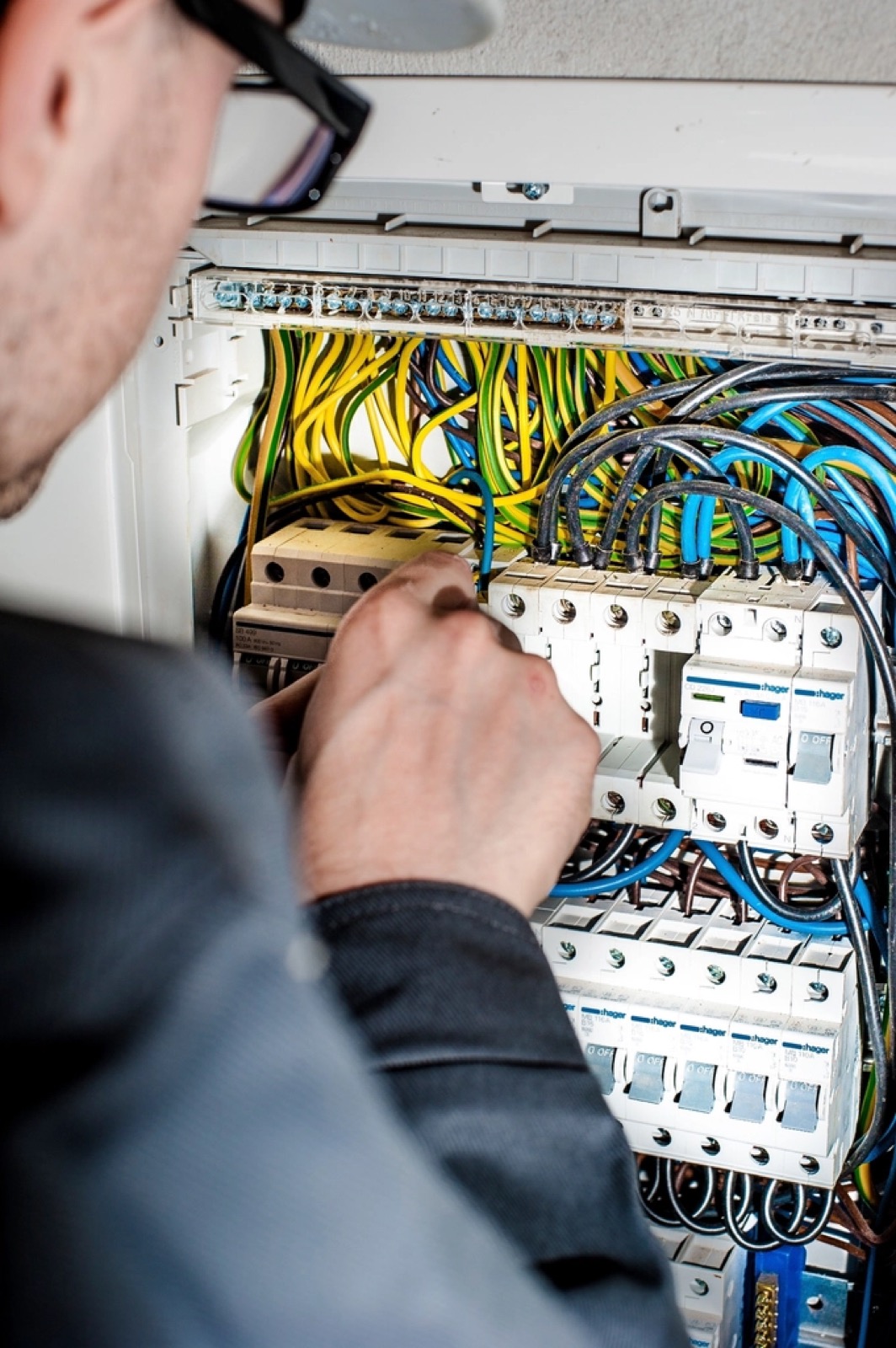
Hardwired or plug-in?
There are two ways to connect a Level 2 charger, and the right choice depends on your unit and your plans. A plug-in charger connects to a dedicated 240-volt outlet, usually a NEMA 14-50, which makes it easy to unplug and take with you if you move. A hardwired charger is wired directly into the circuit, which is required for higher-amperage units and for most outdoor installs, and it gives a cleaner, more permanent look. Both are perfectly code-compliant when done correctly. We will explain the tradeoffs for your specific charger and let you decide, then install it to the manufacturer's spec so your warranty stays intact.
Tesla and J1772 chargers
We install both connector types. If you drive a Tesla, we can wire the Tesla Wall Connector or install a NEMA outlet for your mobile connector. For every other EV, the J1772 standard (and the newer adapters that work with it) covers brands like Ford, Hyundai, Kia, Chevrolet, Rivian, and the rest. If you are not sure which charger to buy, we will talk through the options before anything is installed, so you get the right unit for your car and your garage.
The load calculation comes first
This is the step that separates a safe install from a risky one. Before adding a 240-volt EV circuit, we calculate your home's existing electrical load and confirm your panel can carry the charger without being overloaded. A Level 2 charger can draw as much as a central air conditioner, so this is not optional. If your panel has the capacity, we proceed. If it does not, we will tell you honestly and recommend an electrical panel upgrade first, which also opens the door to other improvements down the line.
A dedicated circuit, done right
Your charger gets its own dedicated circuit straight from the panel, sized correctly for the unit's amperage. We run the proper gauge wire, install the right breaker, and mount the charger where it is convenient in your garage or on an exterior wall. For outdoor installs we use weatherproof equipment rated for Florida's heat and humidity. Everything is neat, labeled, and built to last.
Permitted and inspected
Adding a new high-amperage circuit requires a permit and inspection in St. Lucie County. We pull the permit, complete the install to code, and schedule the inspection so your charger is fully documented. That paperwork matters: it protects your home, satisfies your insurer, and confirms the work was done properly.
What to expect on install day
- Assessment. We confirm the charger, the mounting location, and the load calculation results.
- Circuit run. We run a dedicated 240-volt circuit from your panel to the charger location.
- Mount and connect. We mount the unit, make the connections, and energize the circuit.
- Test and inspect. We test charging, then schedule the county inspection.
Most home installs are completed in a single visit when the panel has capacity. If you are planning other electrical projects, like a standby generator for hurricane season, it often makes sense to coordinate them so the panel work is done once. Ready to charge at home? Request an estimate and we will get you set up.
Future-proofing your install
Cars change, and a charger you install today should still make sense in five years. Where the panel allows, we like to run the circuit at a capacity that supports faster charging than your current vehicle needs, so a future EV with a bigger battery and faster onboard charger is not held back by undersized wiring. We also place the charger and route the wiring with a possible second vehicle in mind, since two-EV households are increasingly common. A little foresight at install time costs very little and saves a second project later. We will lay out the options during the estimate so you can decide how much headroom is worth it for you.
How fast will a Level 2 charger charge?
Charging speed depends on two things: the amperage of the circuit and how much power your vehicle can accept. A typical Level 2 home setup on a 40- or 50-amp circuit delivers somewhere around 25 to 40 miles of range per hour, which means an empty battery is usually full overnight. That is a world apart from a standard wall outlet, which might add only three to five miles per hour. For nearly every household, overnight Level 2 charging at home covers daily driving without a single stop at a public station. We will help you match the charger amperage to your car and your panel so you are not paying for capacity your vehicle cannot use.
Where should the charger go?
Most homeowners mount the charger inside the garage near where the car parks, which keeps the connector protected and the cable run short. If you park in a driveway or carport, we install a weatherproof, outdoor-rated unit and position it so the cable reaches comfortably. We also consider the route back to your panel: a shorter, cleaner run is less expensive and tidier. During the assessment we will walk the space with you and recommend the spot that balances convenience, appearance, and cost. Newer homes in Tradition often have the garage layout and panel capacity that make this a quick, clean install.
Get your EV charger installed
Tell us your vehicle and where you want the charger, and a licensed Port St. Lucie electrician will follow up with a plan and a price.
- Tesla and J1772 chargers
- Load calculation and dedicated circuit
- Permit and inspection handled