How Much Does an Electrical Panel Upgrade Cost in Port St. Lucie?
It is the first question almost everyone asks. Here is an honest look at the price ranges, the difference between 100-amp and 200-amp service, what drives the cost up or down, and the permit fees you should expect in St. Lucie County.
There is no single price for a panel upgrade, any more than there is a single price for a roof. What we can give you is realistic ranges and, more importantly, the factors that move the number, so you understand where every dollar of your project goes.
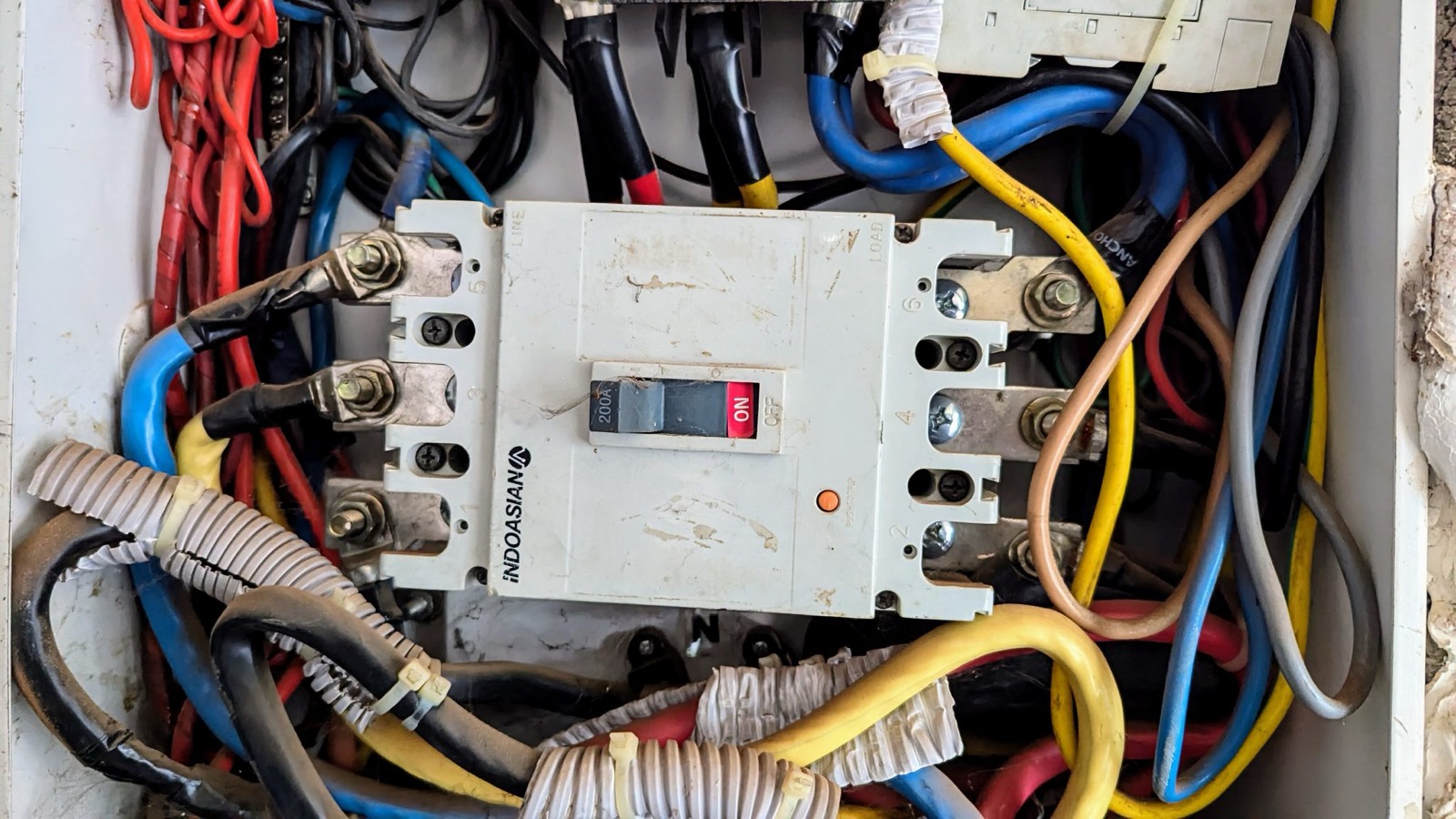
Typical price ranges in Port St. Lucie
As a general guide for our area, most residential panel upgrades fall into the ranges below. These are approximate, and your exact price always comes from an on-site quote.
| Type of work | Typical range |
|---|---|
| Panel swap, same amperage (like-for-like replacement) | $1,500 to $2,800 |
| Upgrade to 200-amp service (new panel, breaker, meter base) | $2,500 to $4,500 |
| 200-amp upgrade with service relocation or mast work | $4,000 to $6,500+ |
| Fuse box or FPE panel replacement (often includes correction work) | $2,200 to $4,500 |
Why such a spread? Because two homes that both "need a panel" can require very different work. The list below explains what pushes a project toward the low or high end.
What affects the cost
- Service size. A like-for-like swap costs less than stepping up from 100-amp to 200-amp service, which usually means a new meter base and heavier service conductors.
- Condition of the existing wiring. If the wiring feeding and leaving the panel is in good shape, the job is cleaner. Damaged, corroded, or undersized conductors add labor and material.
- Meter and service location. An easily accessible panel on an exterior wall is straightforward. Relocating the meter, raising a service mast, or working in a tight interior space adds time.
- Code corrections. Bringing grounding, bonding, and breaker protection up to current code can add cost, but it is exactly what makes the upgrade worthwhile.
- Panel brand and capacity. Replacing a problem panel such as an FPE or Zinsco sometimes reveals related issues that should be fixed at the same time.
- Utility coordination. The upgrade requires the power to be disconnected and reconnected, which has to be scheduled with the utility.
100-amp vs 200-amp: which do you need?
This is the decision that most affects both cost and long-term value. A 100-amp service can be adequate for a smaller home with modest electrical needs, but it leaves almost no room to grow. A 200-amp service is the modern standard and the right call for most Port St. Lucie homes, especially if you have, or plan to add, central air, an electric water heater, a pool, an EV charger, or a standby generator.
The cost difference between the two is usually modest compared with the value, because the bulk of the labor (permitting, disconnect, panel install, re-landing circuits) is similar either way. For that reason, when an upgrade is on the table, we almost always recommend going to 200 amps so you do not pay for the labor twice down the road.
Permit fees in St. Lucie County
A panel upgrade requires a permit and an electrical inspection in St. Lucie County. Permit fees for residential electrical work are generally modest relative to the project, often in the range of roughly $75 to $200 depending on the scope, and they are typically included in the quote we give you. The fee is not where the value lives; the inspection is. It confirms the work was done to code, which protects your home, satisfies your insurer, and matters at resale. We pull the permit, perform the work to code, and schedule the inspection for you.
Is it worth it?
A panel upgrade is one of the higher-value electrical investments a homeowner can make. It removes a genuine fire and shock risk, ends the frustration of nuisance trips, and unlocks every modern upgrade that follows. Buyers and home inspectors notice a modern 200-amp service, and insurers increasingly ask about old fuse boxes and known-problem panels. For most owners, the question is less whether to upgrade and more when.
Where homeowners try to save (and where not to)
It is natural to look for ways to trim a project like this, and some are reasonable. Scheduling the work during the off season, bundling it with other electrical jobs so the permitting and disconnect happen once, and choosing a standard panel over a premium one can all keep the price sensible. Where we caution homeowners is against skipping the permit, hiring an unlicensed handyman, or leaving known code issues uncorrected to shave a few dollars. A panel is connected directly to the utility's incoming power. Cutting corners there is exactly the kind of saving that turns into a far larger bill, or a safety problem, later.
Does an upgrade add home value?
It does, in two ways. First, it removes a deterrent: buyers and home inspectors flag old fuse boxes, known-problem panels, and undersized service, and those flags can stall or discount a sale. A modern 200-amp panel quietly takes that objection off the table. Second, it enables the features today's buyers expect, from EV charging to a generator hookup to a renovated all-electric kitchen. While you will not always recover the full cost as a line item, a clean, modern electrical service makes a home easier to sell and easier to insure, which is real value even before resale.
Get an exact number
This guide gives you context, but the real figure comes from seeing your panel. Request a free estimate: we assess your service, wiring, and meter location, then give you an upfront, all-in price with no surprises mid-job. To understand the work itself, see our panel upgrade service page, and if you suspect your home's wiring may also need attention, read does my home need rewiring.